

What Tools to Keep in Your Car
The modern car or truck is incredibly complex, so even the best mechanic cannot be expected to fix every problem that arises on the spot. However, there are some malfunctions that almost anyone can identify and repair with basic tools, so it is wise to have those essential tools with you. Dick Smith Nissan of Columbia offers a few recommendations on the tools you should carry in your car.
Tools for the Expected
You can’t expect to have all the tools and expertise needed to handle every issue with your car. However, there are some malfunctions you should be prepared for. Since tires are the only things that connect your vehicle to the outside world, they are the most vulnerable. If you have a spare tire, make sure to check it whenever you inspect the air pressure in your other tires, and ensure that you have your jack and lug wrench in the car. More and more vehicles are forgoing the weight and space of spare tires in favor of small repair kits. If you have one of these, be sure to familiarize yourself with its operation before the need arises. Remember that regular tire maintenance isn’t just about extending tire life—driving on worn or improperly inflated tires can be considered negligence if it contributes to an accident.
In fact, tire-related issues, including blowouts, contribute to tens of thousands of crashes and hundreds of fatalities annually across the U.S. These incidents can be incredibly dangerous, leading to loss of control and serious collisions. If you’ve been injured due to another driver’s poor vehicle maintenance, a car accident lawyer can help determine if you have grounds for a claim.
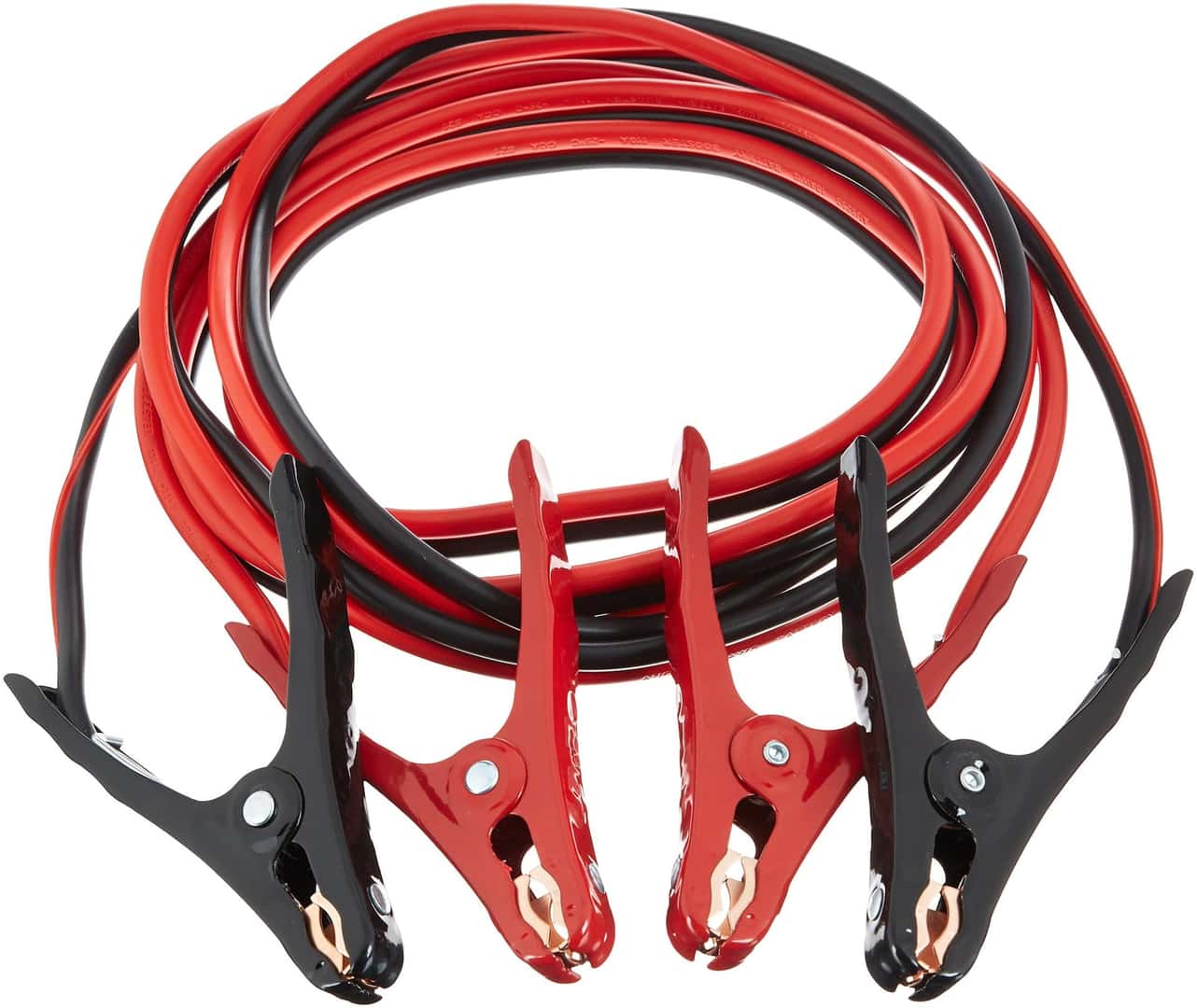
Dead batteries happen. In older vehicles, something as simple as leaving a map light on all day or overnight can have you dead in the water when you return to your car. Consequently, make sure you have a set of jumper cables and know how to use them. While you still need the assistance of someone else’s car, it’s much harder for someone to turn you down when you are standing there with the cables in-hand.
Tools for the Unexpected
Some essential items are useful to have on-hand for unexpected mechanical issues. While it isn’t guaranteed, there are times when your engine won’t start or is running poorly, you can open the hood and quickly identify the issue. This is often something that has come loose, such as a hose or battery cables. Here are some basic items you should always keep in your car.
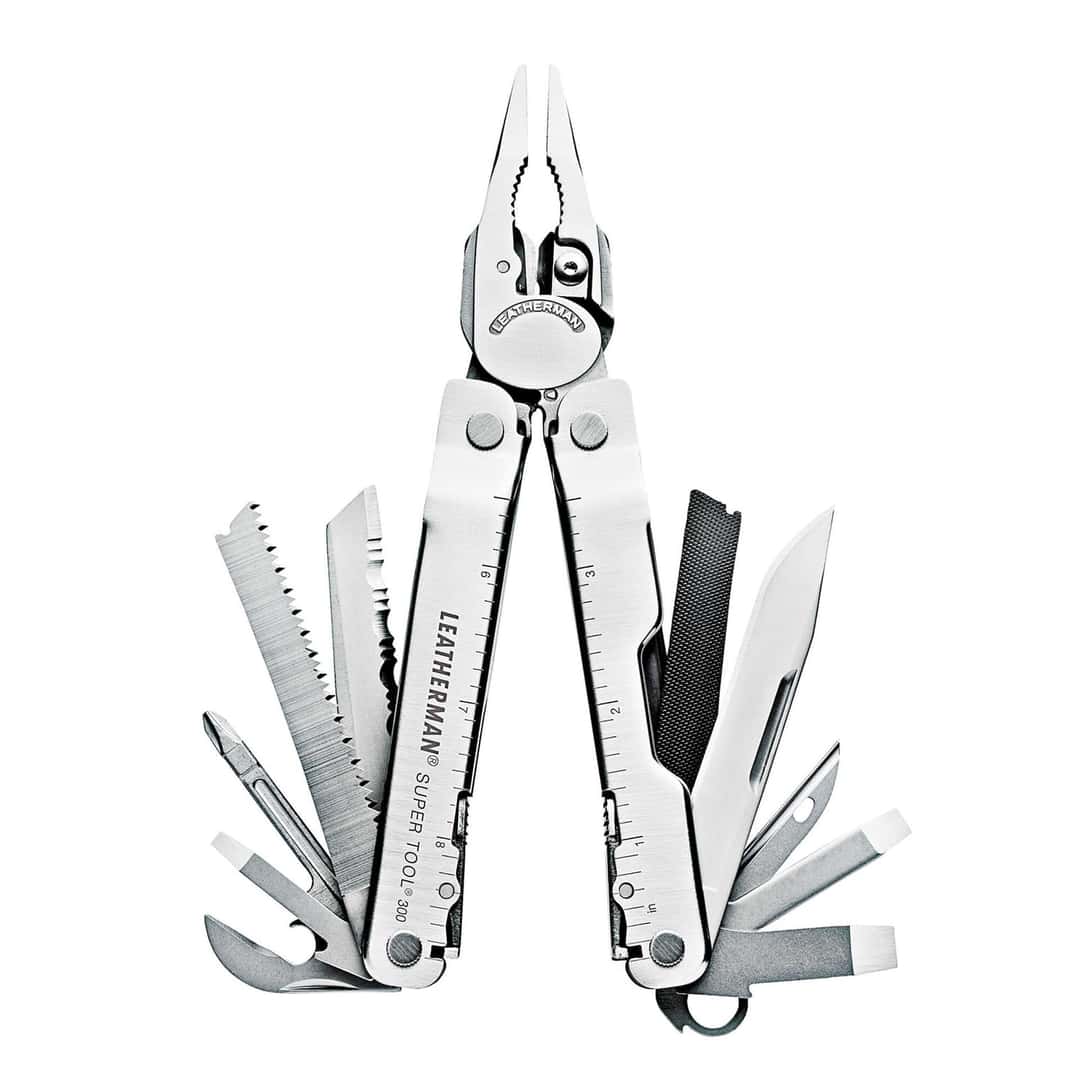
- Leatherman-Type Multi-Tool – This Swiss army knife on steroids can be counted on to include spring-loaded pliers, Philips and flat screwdriver heads, knife, and some other small tools, all of which can be folded up and tucked into a corner of your glove box.
- Headset Flashlight – LED flashlights can be very bright and are energy efficient. Having one with a band that wraps around your head enables you to work with both hands. Have at least one and maybe another for a passenger to use. Spare batteries for them are also a good idea.
- Emergency Triangle Reflectors – The flashlight helps you see in the dark; these reflectors help others see you in the dark. They are designed to warn vehicles to steer clear of your stopped vehicle and to signal that you have a problem and may need assistance. You could also carry emergency road flares, but if you prefer not to have combustible items in your cargo area, the reflectors work just as well. Get a set of three, and when needed, follow the guidelines regarding placement.
- Work Gloves – Whatever you’re working on will be dirty, and a pair of these keeps the dirt off your hands and interior. They also provide protection against burns from hot surfaces. Look for gloves with a rubbery texture to enhance grip and insulate from heat.
- Duct Tape and Zip Ties – If something breaks loose from where it should be and you can’t simply screw it back into place, zip ties, duct tape, or a combination of both offers a good chance of reattaching it until a more permanent solution is available. A common use for this is if you run over something on the road that dislodges the splash panels on your vehicle’s underside. Zip ties can help keep them from dragging on the ground. If you can’t find anything to tie to, use the duct tape.
- Water – As a tool, portable water can assist in refilling a partially emptied cooling system. It’s also beneficial to have on-hand to keep you hydrated while help is on the way.
- Blanket – If you have to shimmy under the car, an old blanket can make movement easier and keep the road grit off your clothes. This will also double as an emergency covering to keep you warm while you wait for help.
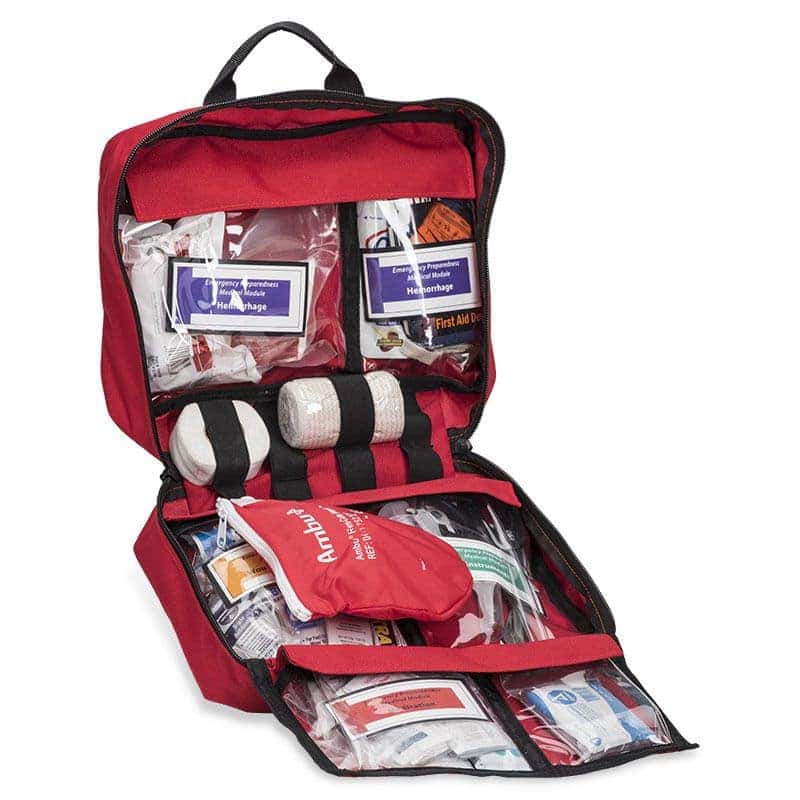
- First Aid Kit – Every car should have one—not just for working on your engine in an emergency, which can lead to cuts, abrasions, or burns—but also to have on-hand for anything that occurs wherever your car took you. Buying a well-stocked kit with a handy case is pretty easy and inexpensive, but you can put one together yourself:
- Bandages of various sizes
- Gauze and medical tape
- Antiseptic wipes
- Burn ointment
- Disinfectant
- Pain reliever
- Special medications like inhalers and epi-pens
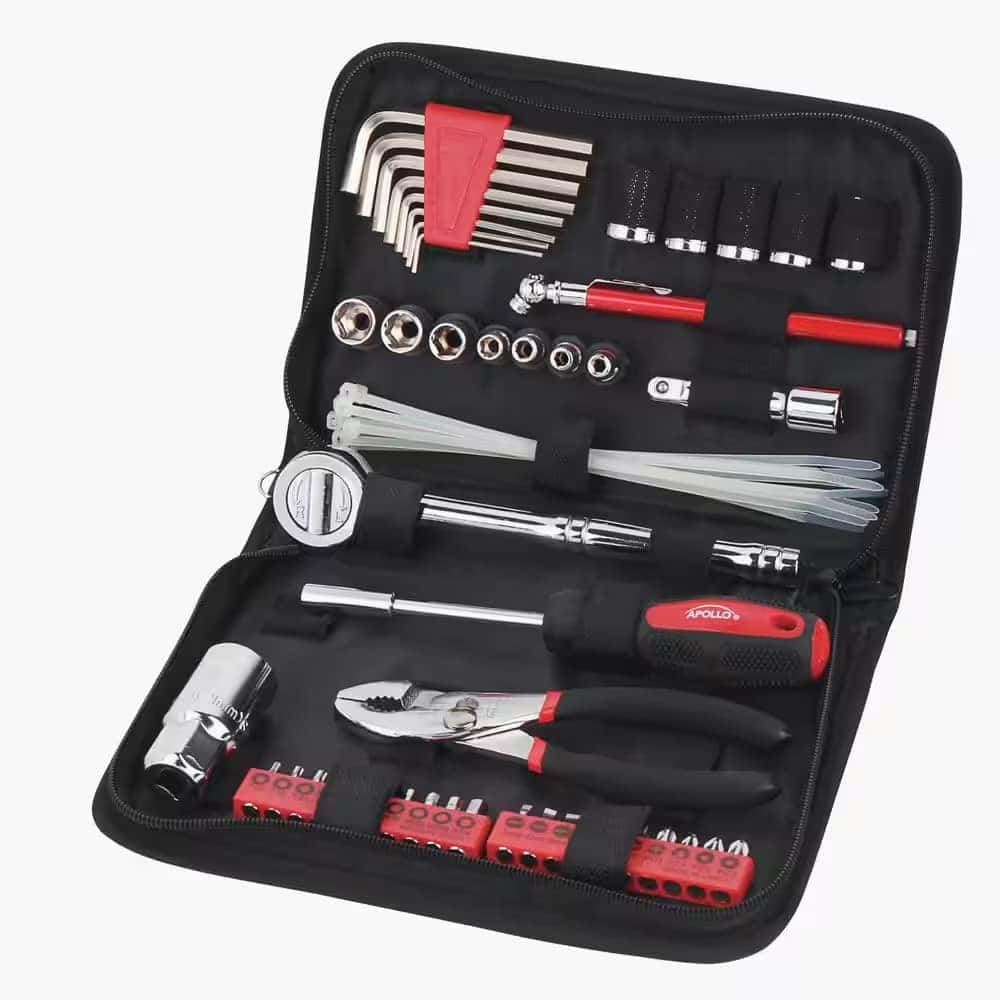
The more mechanically inclined you are, the more tools you should have with you. If you are fairly handy under the hood, you will want to have a ratchet wrench with sockets that fit the basic bolt heads and nuts on your vehicle (metric or English standard), along with a corresponding set of open-ended wrenches. If your vehicle uses Allen wrenches, ensure you have a set of those as well. All of these can be put together in a kit no larger than a hardcover book. If you have any questions about specific emergency tools for your model, the service personnel at Dick Smith Nissan of Columbia can likely assist you.

0 comment(s) so far on What Tools to Keep in Your Car