
How Nissan Achieved the Murano’s and Other Models’ 5-Star and TOP SAFETY PICK+ Awards
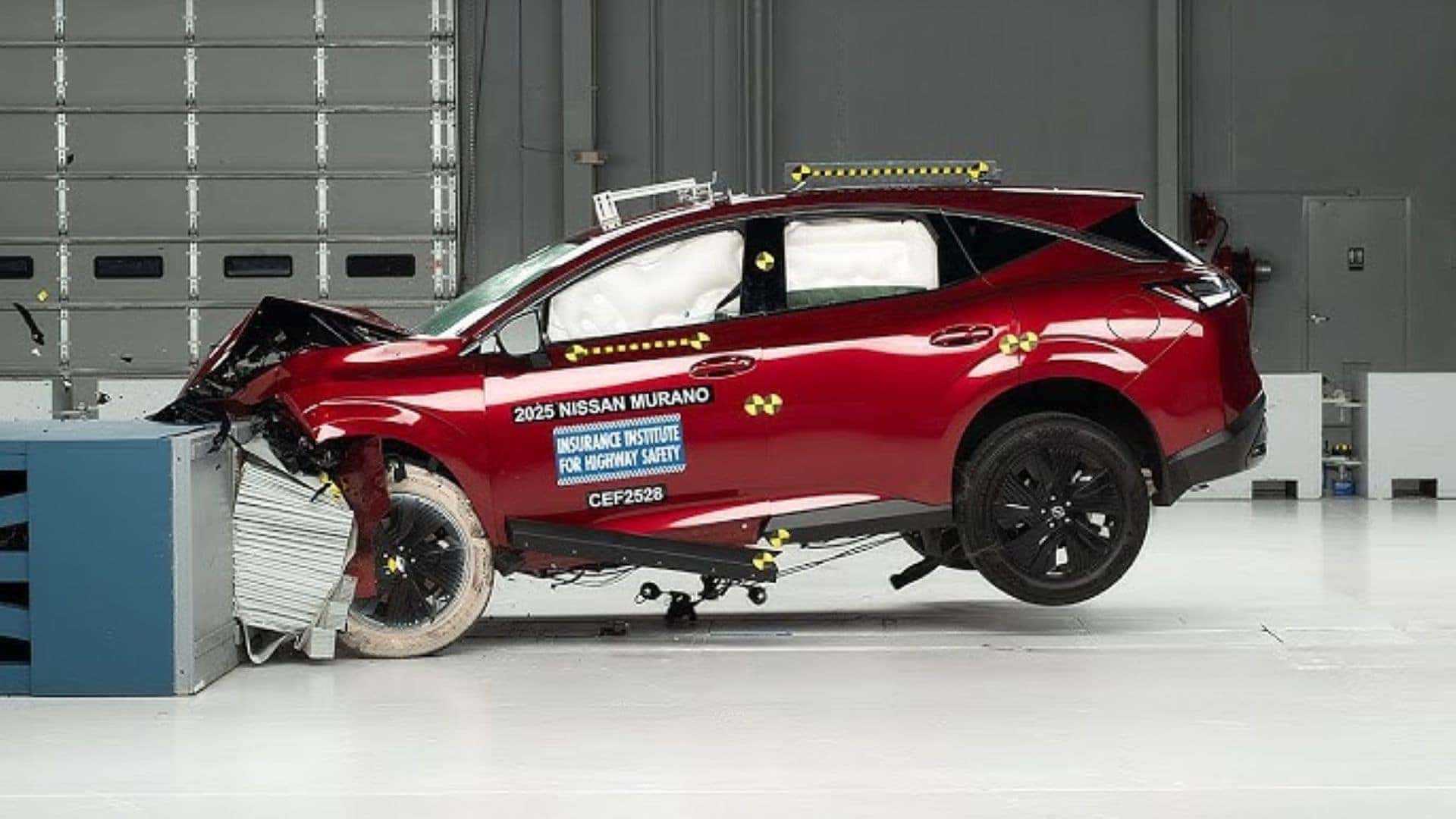
It is common for this blog to announce when a Nissan model earns a 5-star overall rating from the National Highway Traffic Safety Administration (NHTSA) New Car Assessment Program (NCAP) or is named a TOP SAFETY PICK or TOP SAFETY PICK+ by the Insurance Institute for Highway Safety (IIHS). That would be the case for the redesigned 2025 Nissan Murano, which received both safety awards. The frequency of these announcements might make it seem easy to obtain such awards. In reality, it requires rigorous engineering, testing, adjustments, and retesting. So, these are not participation trophies, as you will see when Dick Smith Nissan of Columbia shows where Nissan tests and retests their models to meet their safety goals.
It is always a bit sad to see images of NHTSA or IIHS crashing perfectly good new vehicles into walls and barriers. However, for every Nissan model they test, several of their counterparts end their short lives at Nissan’s advanced $40 million Nissan Safety Advancement Lab in Farmington Hills, Michigan, just outside Detroit. Nissan engineers replicate each test conducted by NHTSA or IIHS multiple times. They analyze the results after each crash, identify flaws, consult with engineers to find solutions, implement them into the vehicle, and then retest. Overall, Nissan’s safety engineers perform about 400 crash tests every year.
The facility can perform 48 different passive safety crash test simulations onsite, utilizing advanced high-speed photography systems and data acquisition equipment. It also features a test dummy calibration lab, space for vehicle preparation, and a pedestrian safety lab.
Advanced computer simulations can decrease the number of crash tests required. Still, actual tests reveal details that simulations can’t precisely replicate, such as the exact timing of airbag deployment and where they contact crash test dummies. Other factors are best evaluated in real-world conditions, including whether doors stay latched and if any fuel leaks happen.
“During our entire development process, we always think about the customer,” said Derrick Diver, Nissan Senior Safety Performance Engineer. “Nissan safety and design engineers collaborate extensively to ensure the Murano’s body structure deforms as intended to absorb energy during a crash and protect passengers.”
The designers may have made the Murano visually appealing, but for Diver and other safety engineers, nothing is more impressive than a vehicle that deforms exactly as intended. Interestingly, the engineers find it more challenging to handle impacts from smaller objects rather than larger ones. This is because smaller but more resilient items require all the energy absorption to happen in a smaller part of the vehicle. The IIHS tests this specific issue with their moderate overlap front impact test, which hits only 40% of the vehicle’s front, and the small overlap crash tests, which impacts just 25% of the front end. They created these tests based on data showing that most vehicles do not collide head-on because most drivers try to avoid the collision, even if they are unsuccessful.
The NHTSA’s NCAP side impact test simulates a vehicle sliding sideways into a narrow but sturdy object, such as a light or utility pole. Naturally, the facility also performs this test, and beyond measuring cabin intrusion, it effectively assesses the vehicle’s side and curtain airbags. Designing airbags requires precise timing, as the vehicle must decide whether to deploy the airbags within just 10 milliseconds.
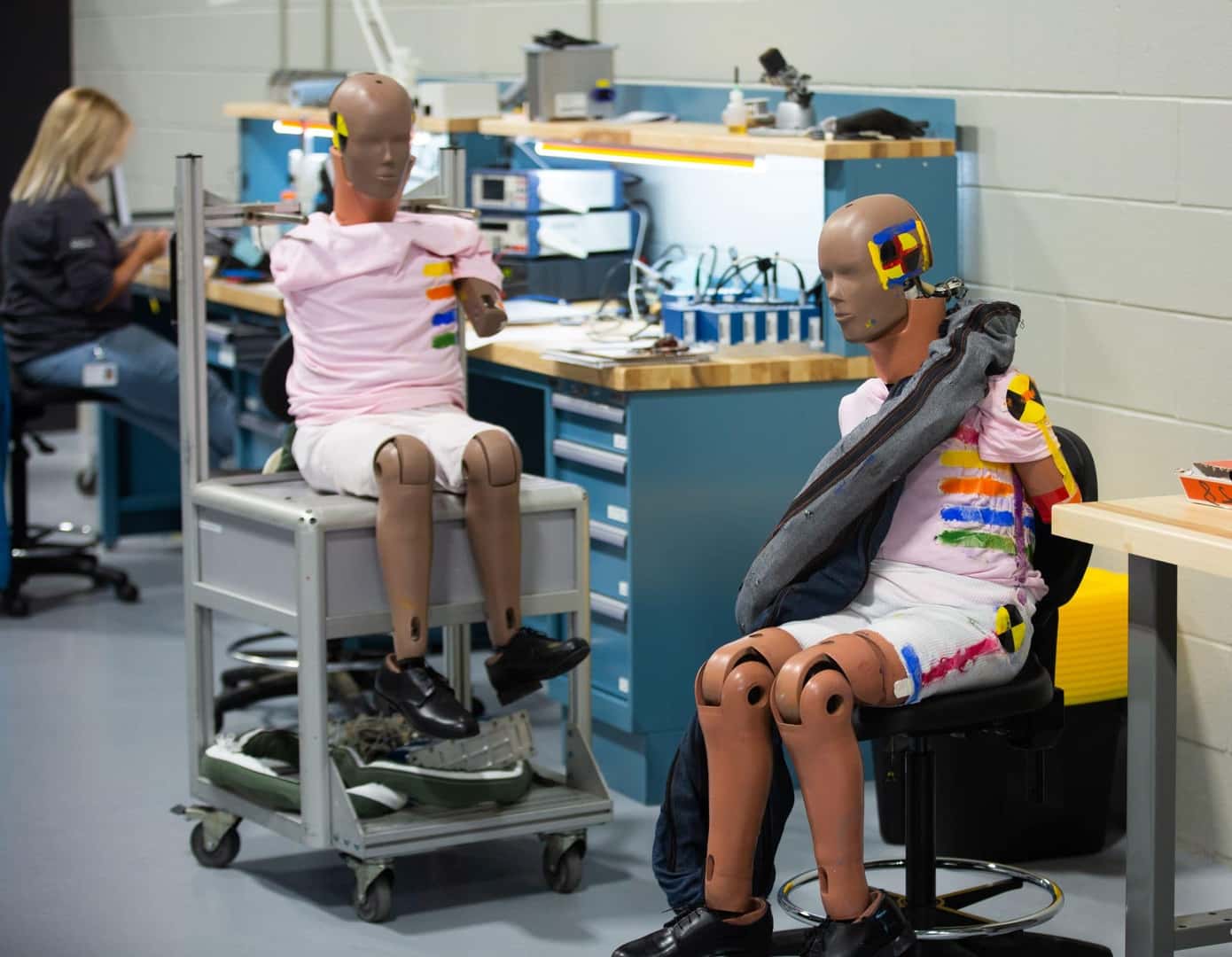
In the past few years, more focus has been given to second-row passengers, with smaller test dummies created to simulate children. “Having a safe rear seat is important in any vehicle,” said Jeff Sitko, Nissan Safety Performance Manager. “That’s where we’re going to put our younger family members, and so we engineered it to be as safe as possible.” Besides measuring intrusion into the cabin, attention is also paid to potential “submarining”—when a smaller passenger risks slipping partially under the lap belt. The Murano ultimately earned a 5-star rating for second-row passenger safety.
So, when you see that the Murano or another Nissan vehicle has received a 5-star overall rating or is an IIHS TOP SAFETY PICK +, consider all the engineering, testing, and retesting that was done to earn those honors and what it means for the potential safety of you and your loved ones.
Visit Dick Smith Nissan of Columbia to explore the safety award-winning Nissan models like the Murano.

0 comment(s) so far on How Nissan Achieved the Murano’s and Other Models’ 5-Star and TOP SAFETY PICK+ Awards