
4WD and AWD: What’s the Difference?
What’s the difference between four-wheel drive (4WD) and all-wheel drive (AWD)? Do they mean the same thing? Yes and no. While they refer to the idea that all four wheels can be driven when they need maximum traction, they work differently. Let us explain.
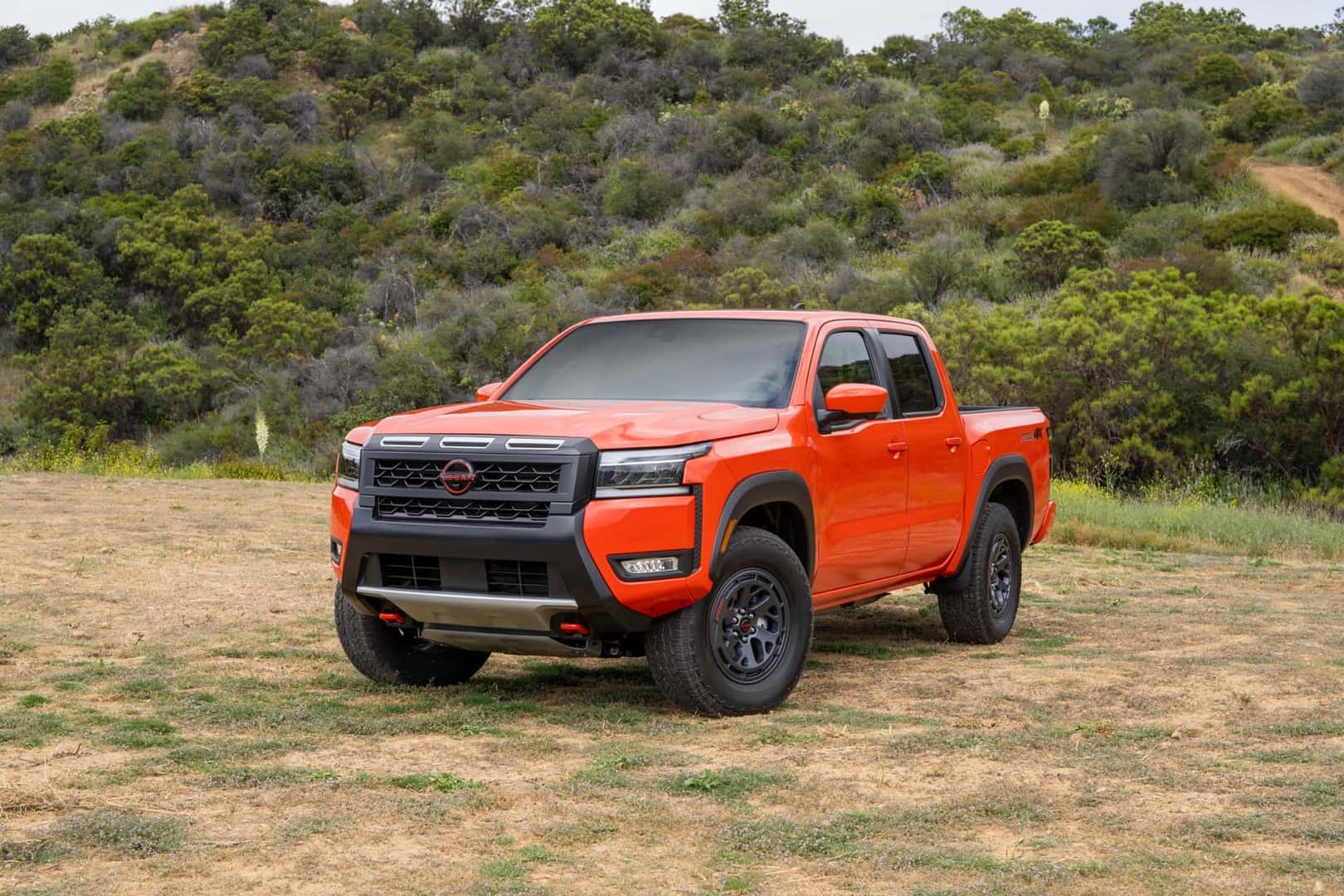
In many cases, four-wheel drive is also known as 4X4. On the Nissan Frontier, Titan, Titan XD, and Armada, this drive system sends power from the engine through the transmission before connecting with a transfer case. At the transfer case, power is eventually sent to one or more differentials. There may be up to three differentials on some 4X4 models, including a center differential.
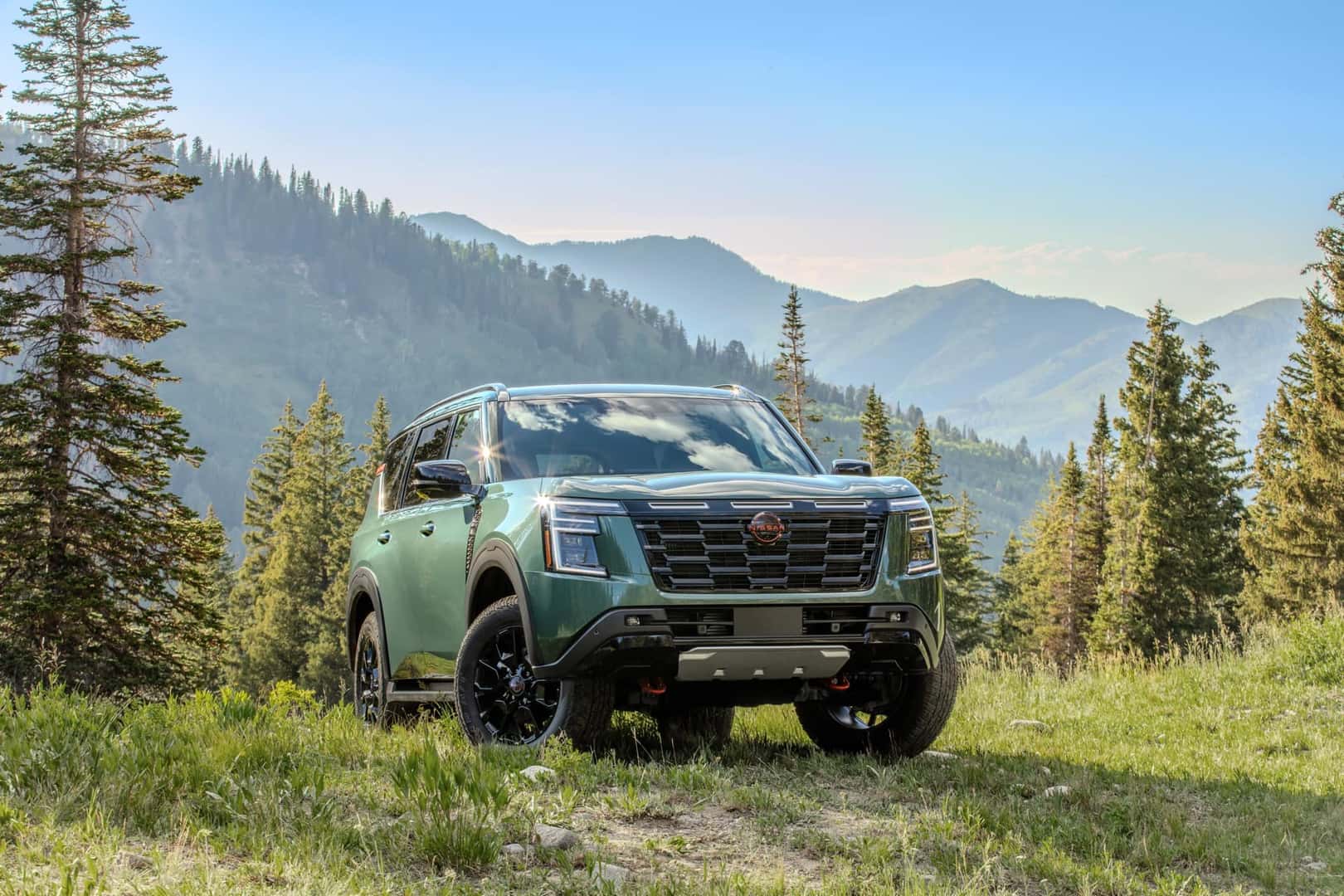
Power is split between the differentials, when engaged through the transfer case. You select the action you want the transfer case to perform – usually by a switch on the Frontier, Titan, or Armada – which will command the transfer case to either stay in rear-wheel drive (or two-wheel drive) or switch to send power to all four wheels.
You have a choice of four-wheel drive settings. There are normally two ratios inside the transfer case, 4-Hi and 4-Lo. Normally, you would use 4-Hi in most situations. However, if the going gets very rough and sloppy, you can switch the transfer case into 4-Lo. This engages the engine to produce more torque at very low speeds to get out of these tougher situations. However, you must maintain a speed closer to a normal walking pace for the lower ratio to work for you properly.
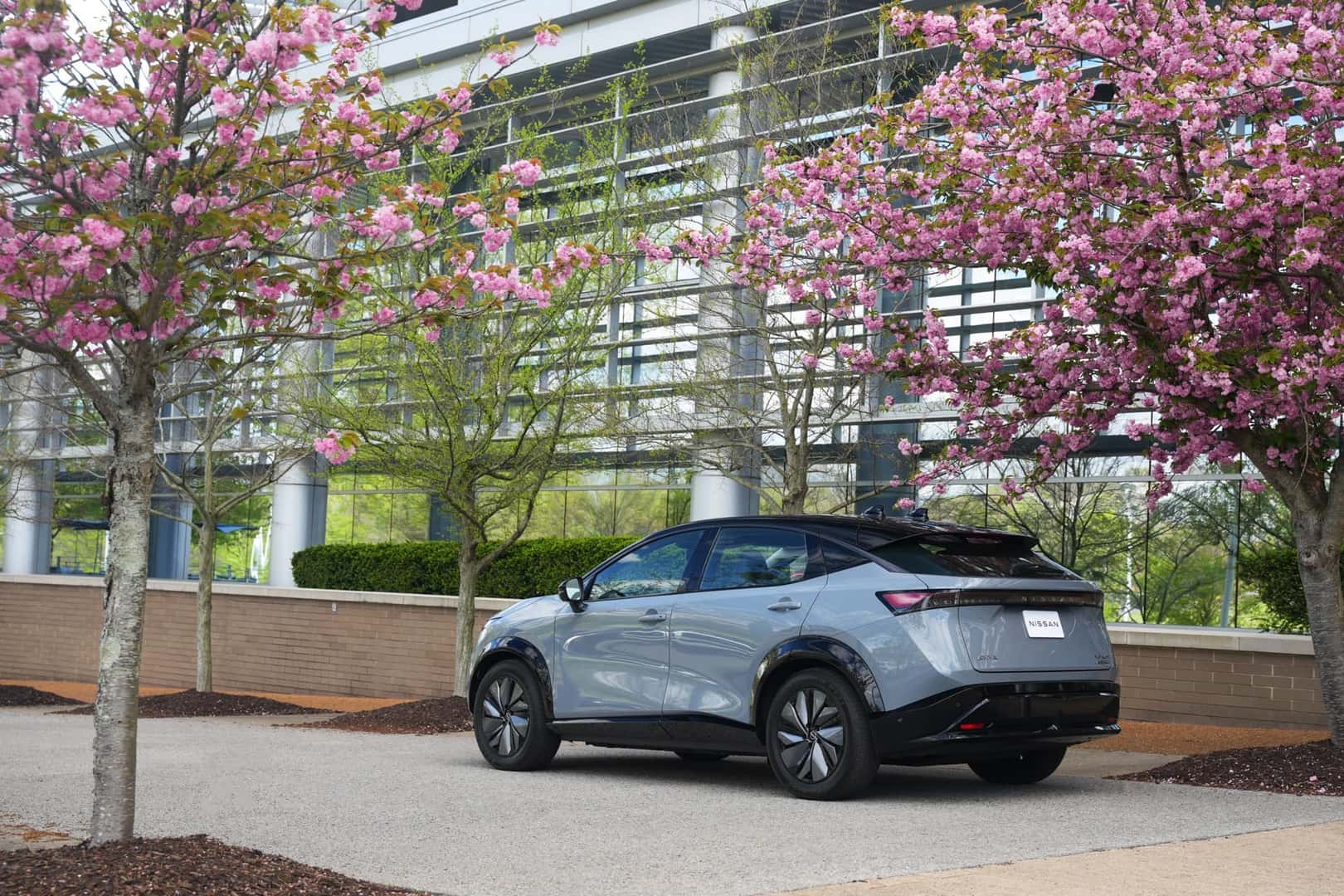
If your Nissan is equipped with all-wheel drive – such as the Kicks, Rogue, Pathfinder, Murano, ARIYA, or Altima – the system works almost the same. The transfer case is replaced by an automatic device that will sense where to send power, based on conditions. At first, the system will send power to the primary drive wheels. On a Nissan, these would be the front wheels. Yet, power will be sent to all four wheels when the system senses that it needs it.
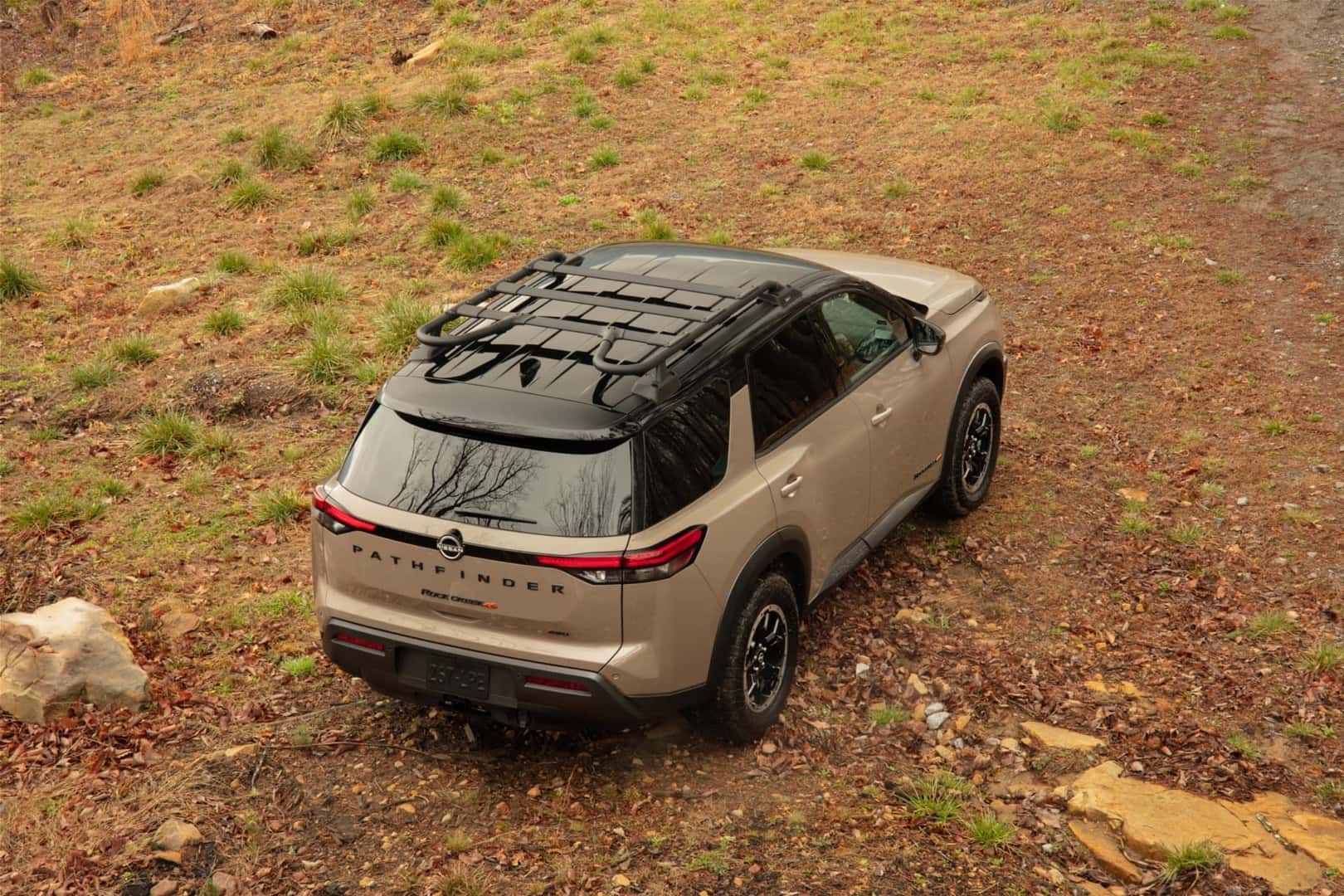
Still, power is sent to the front and/or rear differentials in an AWD system. In some vehicles, you may have a switch that will lock one of the differentials to ensure proper traction at that axle. In the ARIYA, this is done electronically without the need for a shaft running between the motors.
Regardless of which system your Nissan is equipped with, the benefit of sending power to all four wheels is to induce maximum traction. It works best to manage traction on wet, snowy, dirty, and muddy surfaces. It is worth repeating that the system works best to make sure you can safely get to where you need to be and avoid situations where you could possibly lose control.
If you desire to have traction available for all four wheels, Dick Smith Nissan of Columbia is the first place to see how 4WD or AWD works for you. Contact us to see the difference between these two drive systems when you are choosing your next Nissan.

0 comment(s) so far on 4WD and AWD: What’s the Difference?